

A Compelling Conversation with Dr. Jarvis R. Givens
Wednesday, April 29, 2026
Black History as a Living Practice of Resistance, Education, and Collective Memory
Bunker Hill Community College welcomed students, faculty, staff, and community members to its Charlestown Campus for a powerful installment of the Compelling Conversations series featuring Dr. Jarvis R. Givens, historian, educator, and professor of education and African American Studies at Harvard University.
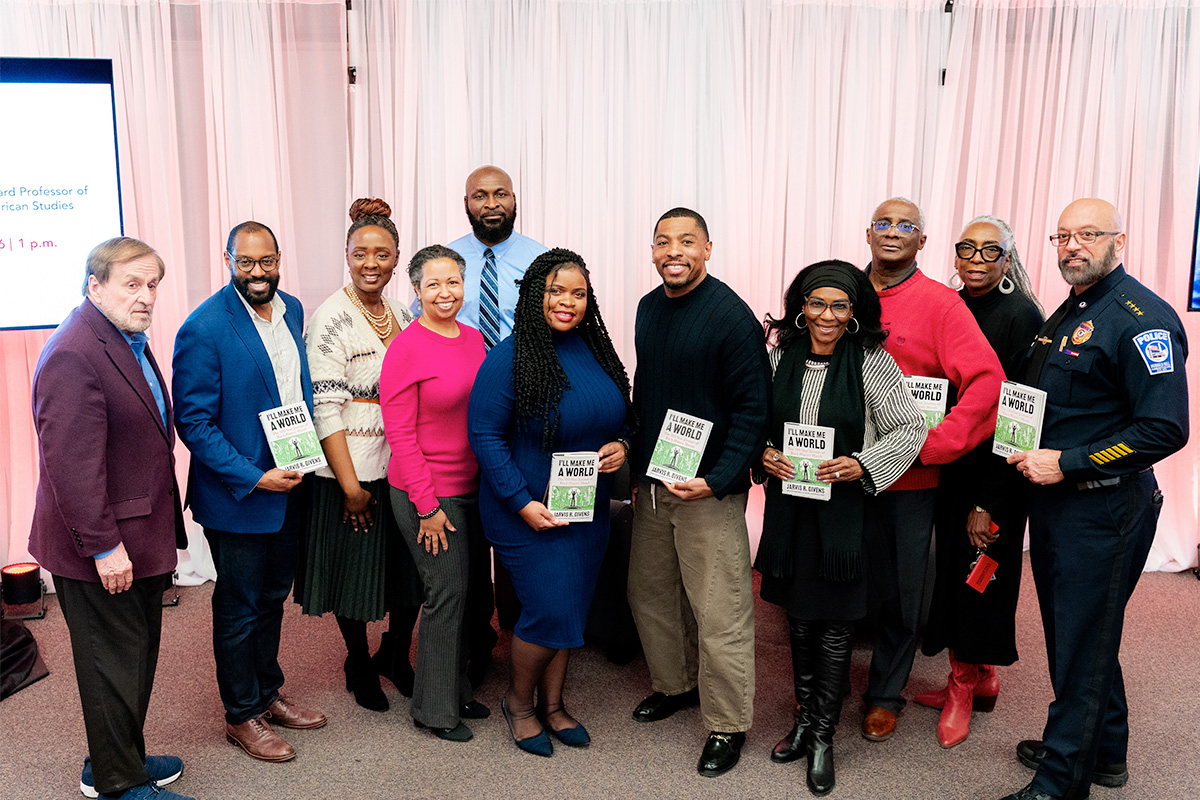
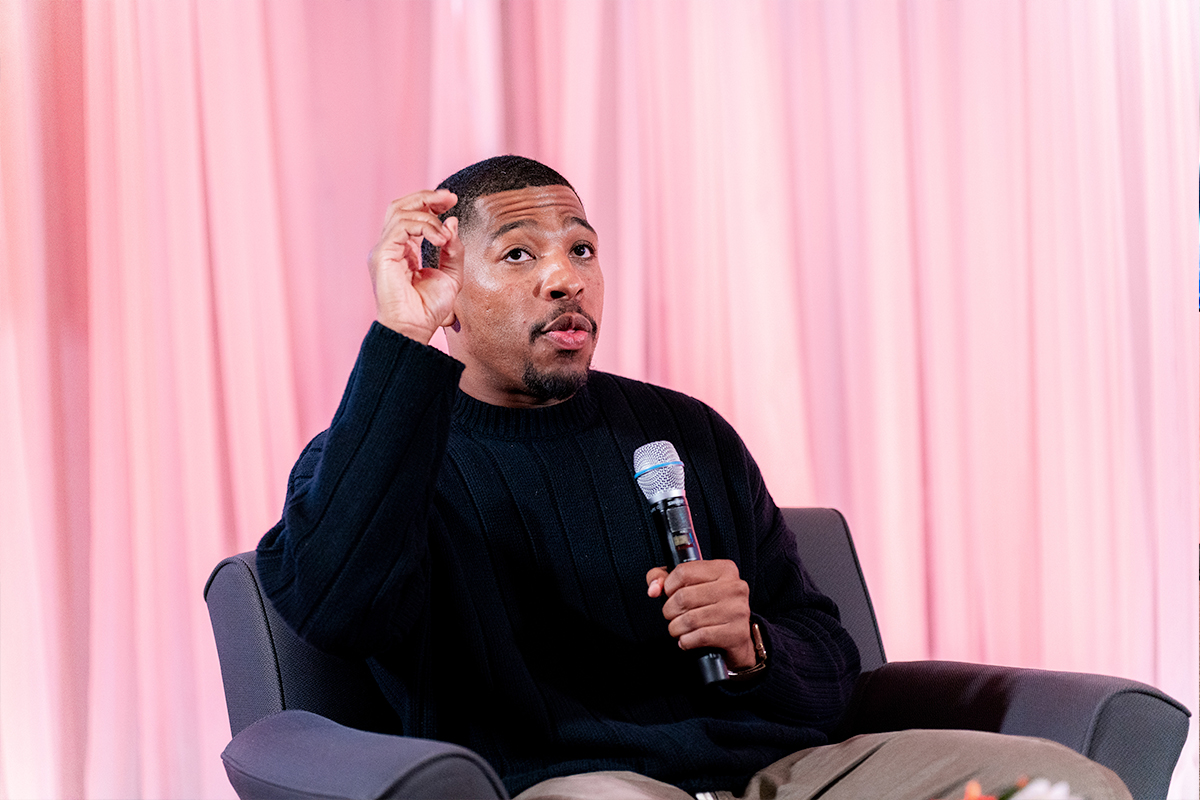
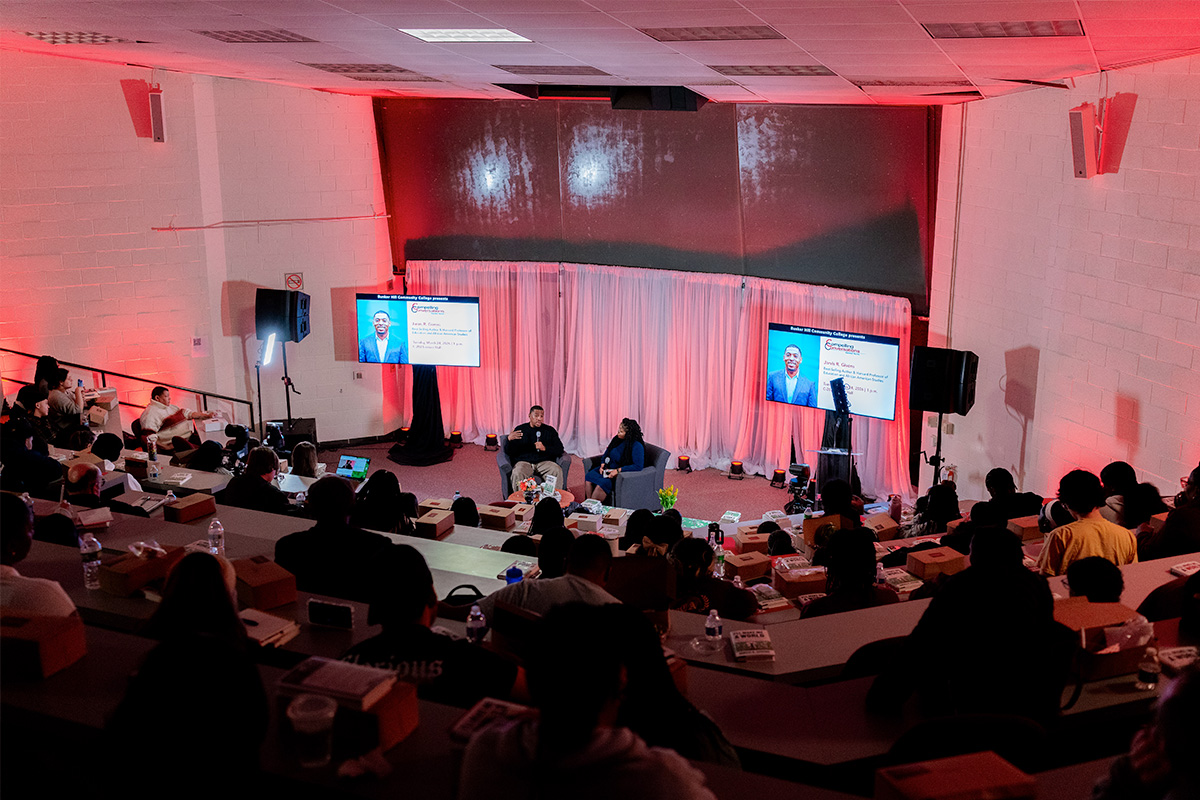
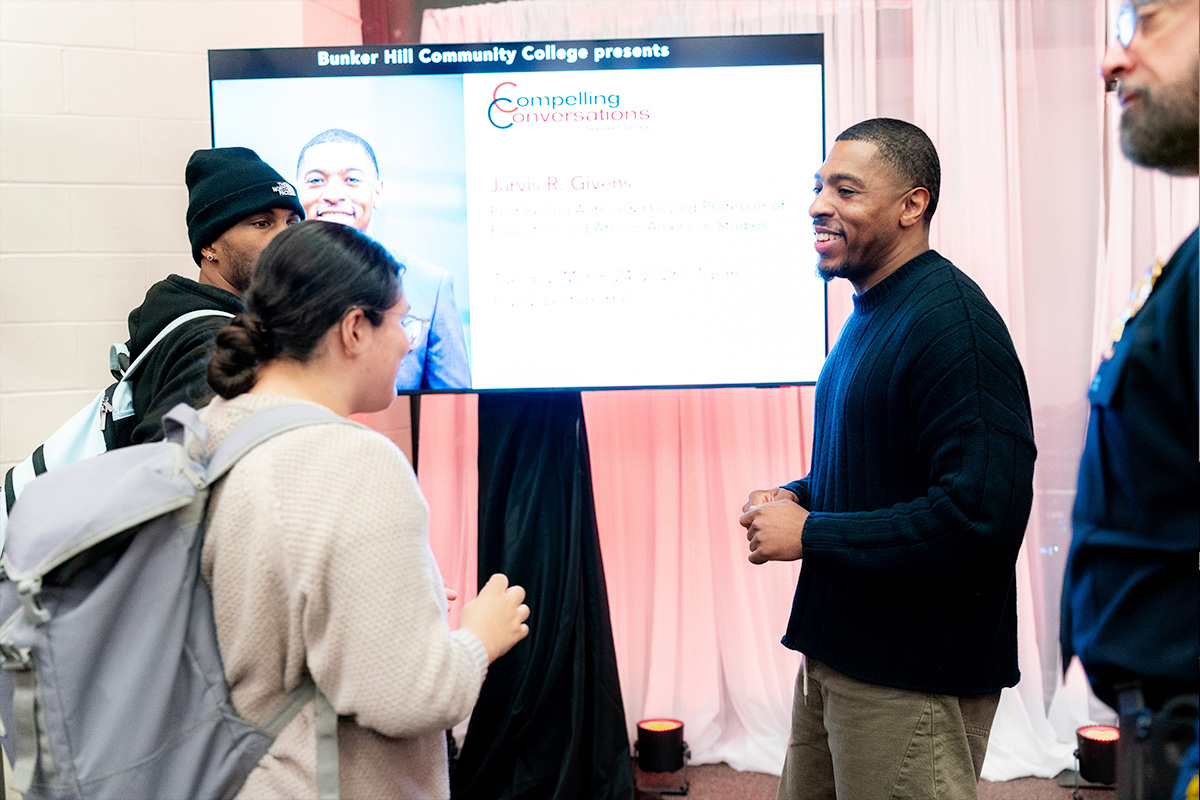

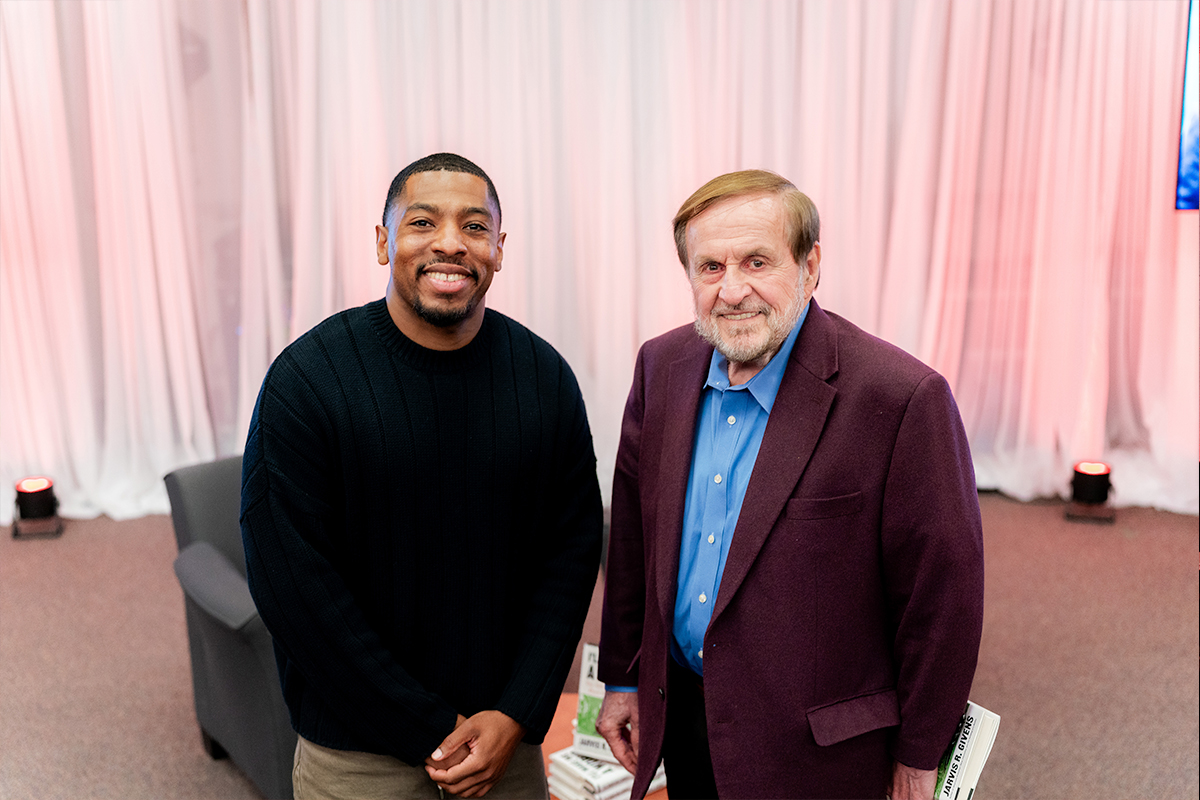
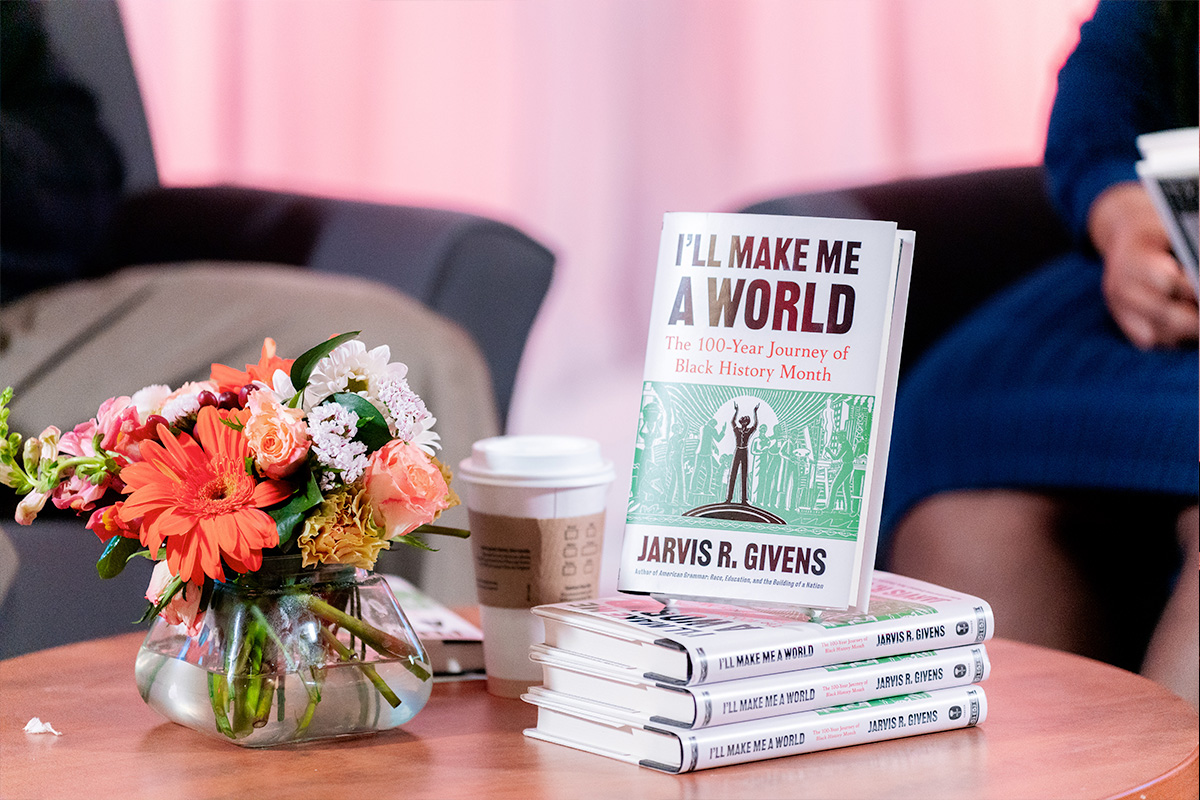
Moderated by Associate Vice President and Chief Compliance Officer Nahomi Carlisle, with opening remarks from Associate Provost Arlene Vallie and Professor Tony Clark, the conversation centered on Black history as a living, evolving practice shaped by education, resistance, and collective memory. Drawing from his scholarship and his most recent book, I’ll Make Me a World: A Century of Black History Month, Dr. Givens invited the audience to rethink how Black history has been preserved and practiced across generations, often in the face of exclusion and erasure.
“I think deeply about the gifts that Black history and culture offer all of humanity,” Givens said, setting the tone for an evening that blended historical insight with personal reflection.
A central theme of the discussion was the pivotal role Black teachers have played in freedom struggles, particularly during the Jim Crow era. Dr. Givens introduced the concept of “fugitive pedagogy,” describing how Black educators quietly taught Black history, circulated radical ideas, and nurtured political consciousness in segregated classrooms despite constant surveillance and risk.
“We don’t get the Civil Rights Movement without Black teachers, without people who cultivated dreams in segregated classrooms,” he emphasized.
These educators, he explained, laid the intellectual groundwork for later social movements by empowering students to see education as both a personal and collective act of resistance.
Dr. Givens also traced the origins of Black History Month back to Carter G. Woodson and the network of Black teachers who transformed Negro History Week, first established in 1926, into a national tradition. He stressed that Black History Month was never intended to limit the study of Black history to February.
Instead, it functioned as a strategic organizing tool, mobilizing communities, supporting preservation efforts, and encouraging year-round engagement with Black history.
“The tradition of Black history has been sustained not just by historians, but by ordinary people—teachers, librarians, students, and communities,” Givens noted.
While affirming that Black history is essential to understanding the United States, Dr. Givens cautioned against confining it to a purely national narrative. He highlighted the diasporic and global dimensions of Black historical thought, pointing to connections across Africa, the Caribbean, and the broader world.
“Black history is a central part of American history, but it is not reducible to it,” he said. “It exceeds national borders.”
Looking toward the future, Dr. Givens shared contemporary examples of students organizing Black literary societies and conducting local archival research—echoing earlier generations who refused to wait for institutional permission to study their own histories.
“The future of Black history depends on young people seeing themselves not just as learners of history, but as producers and preservers of it,” he said.
He also reflected on his own educational journey, sharing how he was taught from a young age that intellectual achievement was inseparable from Black identity.
“Education didn’t feel at odds with my identity as a young Black student. I was taught that achievement was part of Black life,” Givens shared.
Dr. Givens closed the conversation with a simple but resonant message to the BHCC community: “Keep growing. Keep dreaming.”
His visit reaffirmed the enduring relevance of Black history—not only as an academic discipline, but as a collective responsibility and a vital framework for understanding democracy, justice, and humanity today. Through events like Compelling Conversations, BHCC continues to foster dialogue that connects scholarship, lived experience, and community engagement.